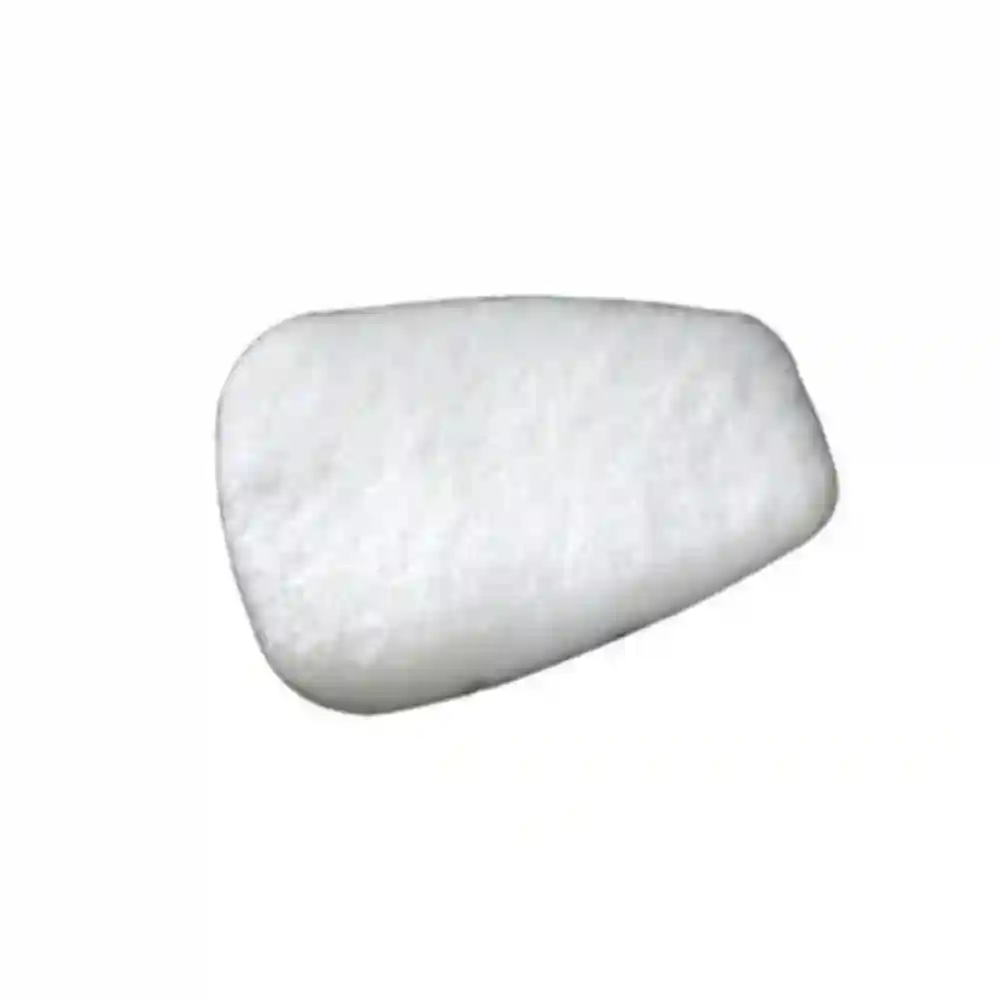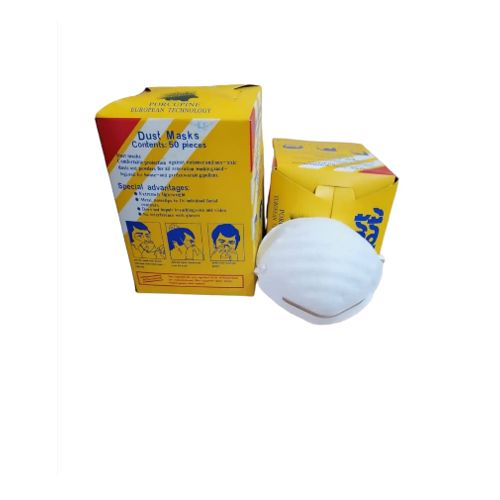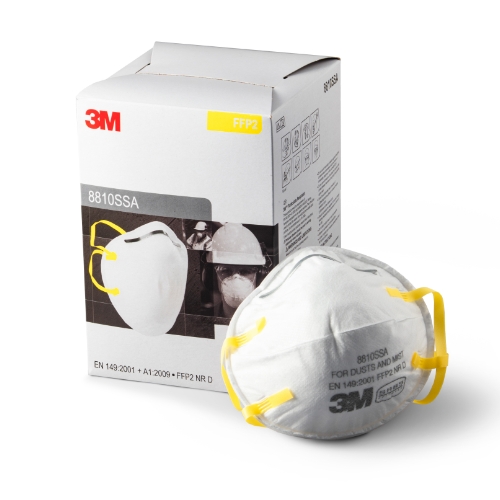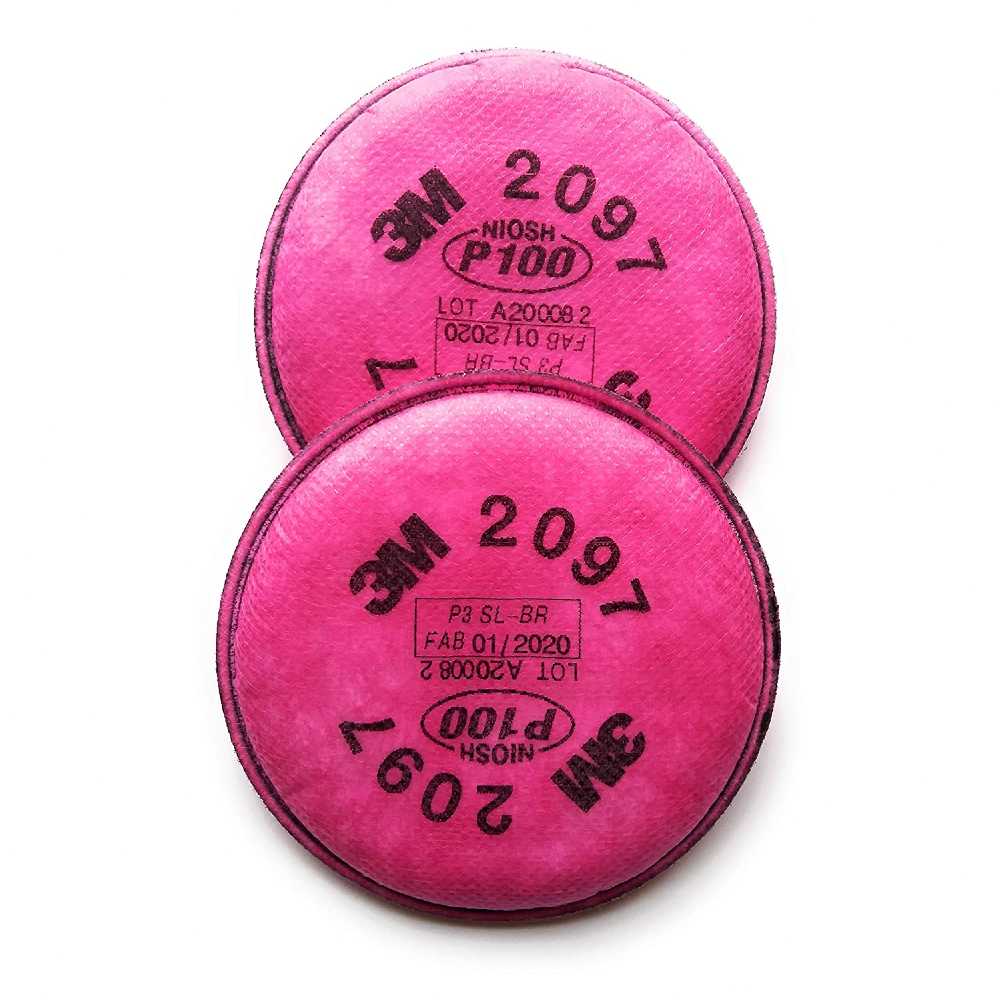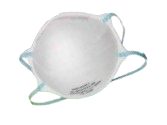
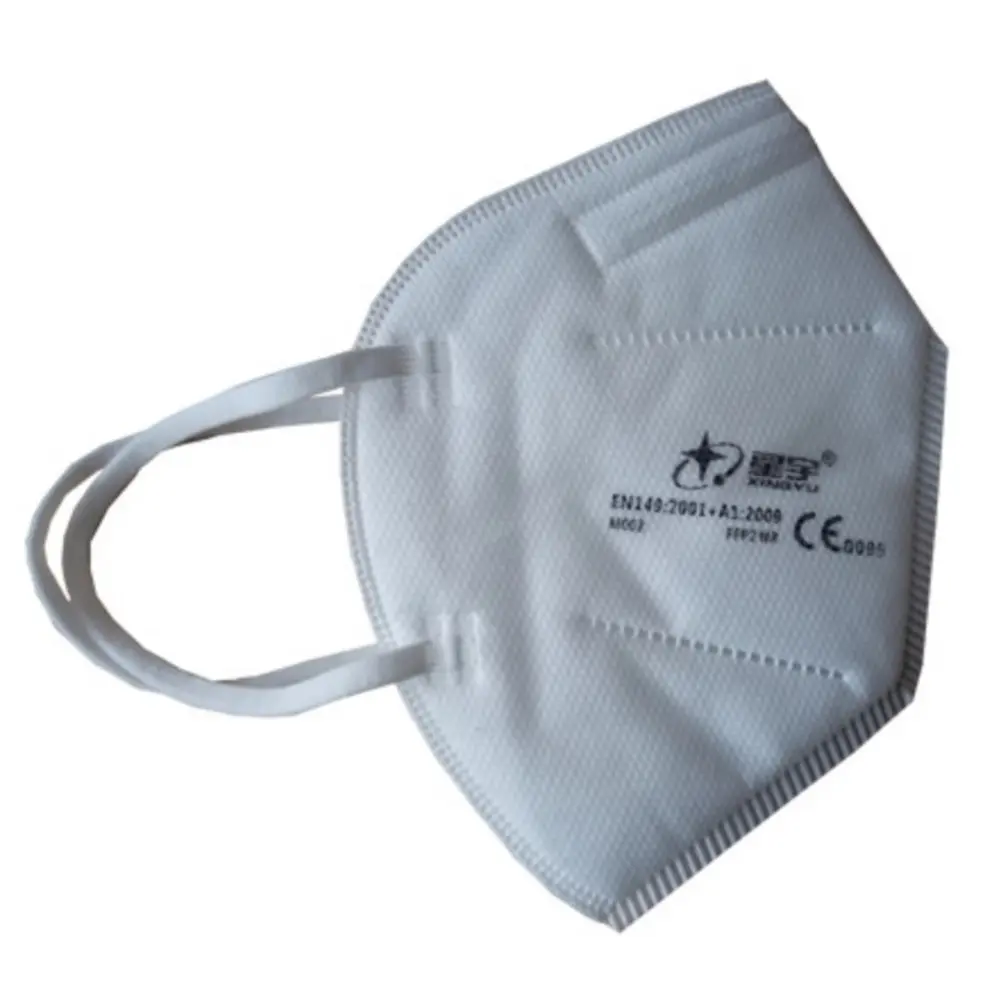
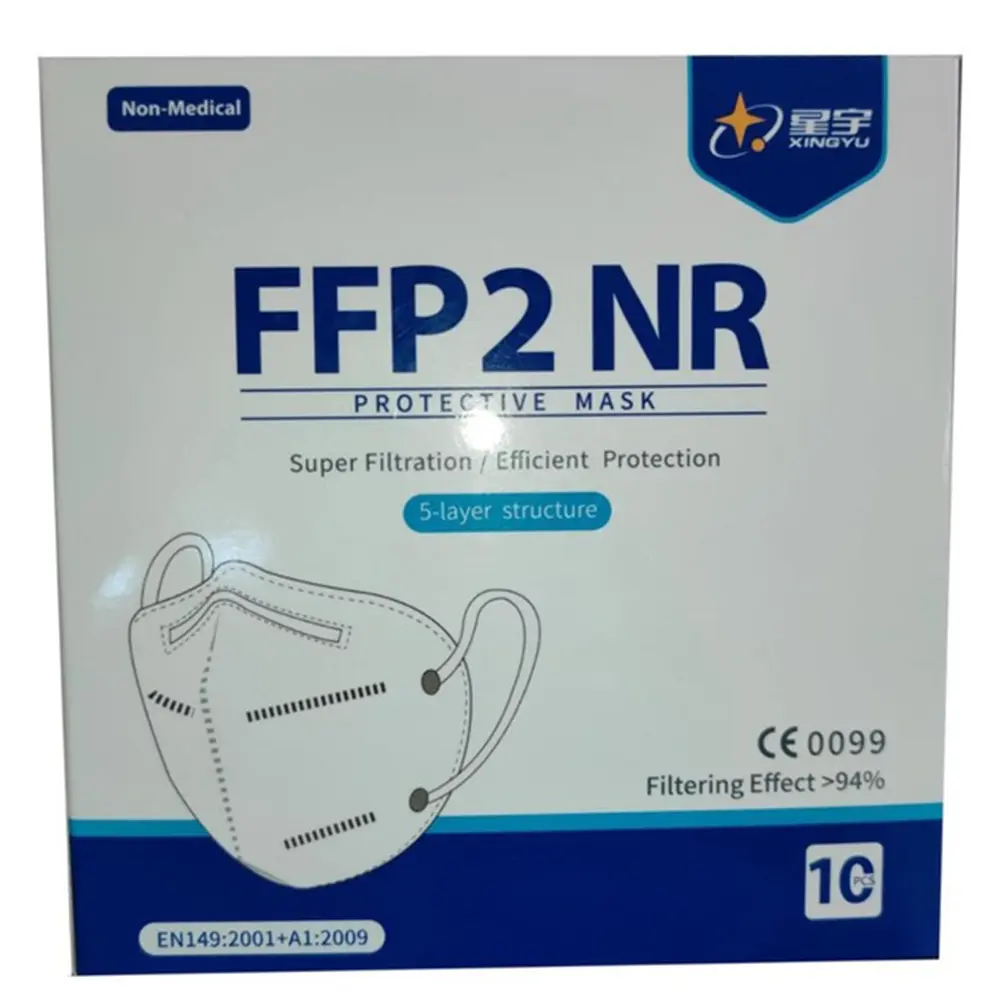
FFP2 masks have a high filtering power at the exit (exhalation) and at the entrance (inhalation) of > 95%, unlike surgical masks which reach a maximum of 20% at the inhalation. These results can only be obtained by wearing the mask correctly, which must adhere completely to the facial part to be covered.
FFP2 masks are disposable and should be worn for a maximum of 7-8 hours at a time, replacing them as soon as the surface in contact with the skin becomes moist.
What are N95 and FFP2 face masks?
N95 and FFP2 are similar kinds of respiratory masks. These masks supposedly protect both the wearer and people around them. The World Health Organisation cites studies which show the filtration systems of FFP2 and N95 masks are 94 and 95 per cent effective respectively. Their enhanced effectiveness has led to many countries making them a requirement on public transport. FFP3 masks are the most effective, followed by FFP2/N95, then surgical masks and, finally, cloth masks.
What is in N95 and FFP2 face masks?
So what makes these respiratory masks so good at filtration compared to surgical or cloth masks? FFP2 masks are defined as being composed of three layers of synthetic non-woven materials, available in different thicknesses, with the inclusion of filtration layers between.
It’s this combination of factors that lead to those strong results. But, 94 to 95 per cent of what? This figure is achieved by testing masks using NaCl (sodium chloride) particles and paraffin oil – this is only for FFP2 testing, with the N95 certification process only testing using NaCl. While standard medical masks only filter three micrometre droplets, FFP2 respirator masks filter down to 0.075 micrometre solid particles. The masks are then tested by seeing what percentage of these small particles make it through and, in the case of getting FFP2 certification, only six per cent or less can do so.
| Weight | 15 kg |
|---|---|
| valve | With Valve, Without Valve |